

PDRN
PDRN is one of the most talked-about skincare ingredients of 2026. Often nicknamed salmon DNA, it is short for polydeoxyribonucleotide: tiny fragments of DNA, usually sourced from salmon, with vegan plant-derived versions now available too. Dermatology has used it for years to support healing and tissue repair, and it has recently crossed over into the serums on your bathroom shelf.
This page gathers the professional PDRN skincare we stock at Beautyfashionshop, from a tech-forward vegan all-rounder to a concentrated clinical serum and a low-molecular-weight plant option. We are honest about what a topical serum can and cannot do, so you can choose the formula that genuinely fits your skin and your routine.
Want to understand the ingredient before you buy? Read our three in-depth articles: does PDRN skincare really work, our best PDRN serums of 2026 compared, and the science behind PDRN. Still unsure? Our skincare experts are happy to help you decide.
 Medik8 Exo-PDRN Prismatic+ 30mlSpecial Price €94.95Regular Price €99.95
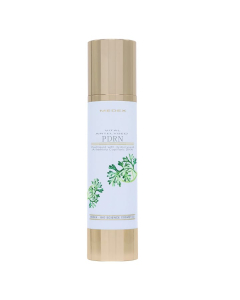 Medex Vital Artelysed PDRN - 100mlSpecial Price €83.13Regular Price €87.50
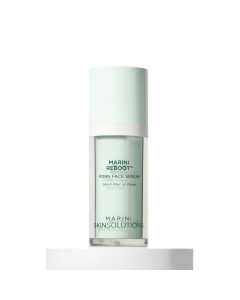 Marini SkinSolutions Reboot™ PDRN Face Serum - 30 mlSpecial Price €136.80Regular Price €152.00


What is PDRN in skincare?
PDRN (polydeoxyribonucleotide) is made of very small fragments of DNA, most often extracted from salmon and purified, though vegan plant-derived sources such as seaweed and Artemisia are increasingly used. In dermatology these fragments are prized for their soothing, barrier-supporting and repair-friendly behaviour. In a serum, PDRN is positioned as a comforting, hydrating ingredient that helps skin look calmer, fresher and more radiant over time.
It is worth being clear from the start: a topical PDRN serum is not the same as an injectable polynucleotide treatment. A serum works at the surface and supports the skin barrier, while injections place the active deep in the dermis. We explain this nuance in full in our science behind PDRN article.
Why PDRN is popular in modern skincare
PDRN rode in on the wave of clinic-inspired ingredients, and it has stayed because it delivers a genuinely pleasant, skin-friendly experience. The main reasons people reach for it:
- Soothing comfort for skin that feels reactive, tight or easily flushed
- Barrier support that helps skin hold on to moisture and feel more resilient
- Deep hydration, often paired with hyaluronic acid and ceramides
- A healthy glow and a smoother, more even-looking surface
- Welcome comfort after in-clinic procedures such as microneedling, peels or laser
- A gentle, layer-friendly profile that slots easily into most routines
For which skin is PDRN intended?
PDRN is a flexible ingredient that suits a wide range of skin types and concerns:
- Mature skin that wants extra comfort, glow and support alongside its anti-ageing actives
- Dry or dehydrated skin looking for lasting moisture and a stronger barrier
- Sensitive or easily reddened skin that needs calming rather than irritation
- Skin recovering from treatments that benefits from gentle, soothing care
- Dull, tired skin in need of a fresher, more radiant look
Combining PDRN with other ingredients
PDRN is a team player. It layers beautifully with hyaluronic acid for extra hydration and with peptides for firmness and smoothing. Niacinamide is another easy partner for tone and barrier support. You can also use PDRN alongside stronger actives such as retinol and vitamin C: a common approach is vitamin C in the morning, retinol at night, and a soothing PDRN serum to keep skin comfortable and balanced. If you are curious about how PDRN compares with other hero actives, browse our collagen hub too.
To go deeper, read our three articles on whether PDRN skincare really works, the best PDRN serums of 2026 compared, and the science behind PDRN.
Frequently asked questions about PDRN
What does PDRN mean?
PDRN stands for polydeoxyribonucleotide: short, purified fragments of DNA used in skincare for their soothing, hydrating and barrier-supporting qualities.
What is PDRN made of?
Traditionally it is extracted and purified from salmon, which is why it is nicknamed salmon DNA. Vegan plant-derived versions also exist, made from sources such as seaweed or Artemisia.
How do I use a PDRN serum in my routine?
Apply it to clean skin, morning and evening, after any watery essences and before your moisturiser. Always finish your morning routine with SPF.
When will I see results?
Think in weeks rather than days. Most people notice calmer, more comfortable and more radiant skin gradually over roughly four to eight weeks of consistent use.
Does PDRN fit my retinol routine?
Yes. PDRN is gentle and pairs well with retinol, often helping skin feel more comfortable. A simple approach is retinol at night and a soothing PDRN serum to support the barrier.
Are there vegan PDRN alternatives?
Yes. The Medik8 Exo-PDRN Prismatic+ uses a vegan PDRN, and the Medex Vital Artelysed PDRN is a plant-derived option made from Artemisia.
What is the difference between topical PDRN and injections?
A serum works at the surface to soothe, hydrate and support the barrier. Injectable polynucleotides are placed deep in the dermis by a professional and act very differently. A serum is a caring addition, not a replacement for a clinical treatment.
Is PDRN suitable for sensitive skin?
Generally yes. PDRN is best known for being soothing and comforting, which makes it a popular choice for sensitive and easily reddened skin. As always, patch test a new product first.