


 Thalgo Wrinkle Correcting Rich Cream - 50mlSpecial Price €71.33Regular Price €79.25
 Thalgo Intensive Wrinkle-Correcting Serum - 30mlSpecial Price €81.68Regular Price €90.75
 Gold Collagen Forte Ageless - 10 x 50mlSpecial Price €66.12Regular Price €69.60
 Gold Collagen Hairlift - 10 x 50mlSpecial Price €46.93Regular Price €49.40
 Thalgo Wrinkle Correcting Pro Eye Patches - 8 x 2pcsSpecial Price €45.86Regular Price €50.95
 Medex Transparent Collagen Mask - 50mlSpecial Price €44.18Regular Price €46.50
 Gold Collagen Forte PLUS - 10 x 50mlSpecial Price €49.78Regular Price €52.40
 Gold Collagen Multidose Pure 40+ - 300mlSpecial Price €30.40Regular Price €32.00
 Gold Collagen Forte 10 x 50ml - 3-PackSpecial Price €132.95Regular Price €139.95
 Thalgo Wrinkle Correcting Pro Mask - 50mlSpecial Price €47.93Regular Price €53.25
 Gold Collagen Pure 10 x 50ml - 3-packSpecial Price €120.18Regular Price €126.50
 Gold Collagen Multidose Hairlift - 300mlSpecial Price €30.40Regular Price €32.00
 Académie Body Lotion With Collagen From The Sea - 400 mlSpecial Price €36.45Regular Price €40.50
 Annemarie Börlind Natu Collagen Neck & Décolleté Serum - 50mlSpecial Price €50.27Regular Price €55.85
 Thalgo Collagene 10.000 - 10 x 25mlSpecial Price €58.05Regular Price €64.50
 Gold Collagen Serum Hydra Essence - 30mlSpecial Price €37.05Regular Price €39.00
 Gold Collagen Pure 10 x 50ml - 2-PackSpecial Price €82.60Regular Price €86.95
 Annemarie Börlind Natu Collagen Boost Eye Serum - 15mlSpecial Price €43.25Regular Price €48.05
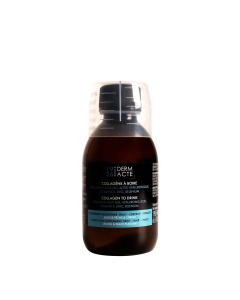 Derm Acte Collagen To Drink - 195mlSpecial Price €41.45Regular Price €46.05
 Gold Collagen Hydrogel Mask - 4pcsSpecial Price €24.70Regular Price €26.00
 Gold Collagen Lip VolumiserSpecial Price €23.75Regular Price €25.00
 Annemarie Börlind Natu Collagen - 30mlSpecial Price €50.27Regular Price €55.85


What is collagen?
Think of collagen as the scaffolding beneath your skin. It keeps everything firm, smooth and resilient. But did you know you also lose part of your natural glow when you produce less collagen?
From around the age of 25, your body starts producing less collagen. You notice it as slightly looser skin, fine lines or a dull complexion. Luckily, you can do something about it – with products that top up collagen or encourage your skin to produce it again.
What does collagen do for the skin?
When your skin has enough collagen, it stays firm and supple and regains that fresh look. Many people call it their “glow”: healthy, radiant skin that looks plump and full of energy.
Collagen:
- Firms your skin from within
- Softens fine lines and wrinkles
- Boosts moisture levels
- Supports skin repair
- Gives your skin a natural glow
Which forms of collagen are there
There are several ways to add collagen to your routine. It simply depends on what suits you:
1. Creams & serums with collagen
These products instantly make your skin feel plumper and softer. They hydrate well and leave your skin beautifully radiant.
- Who is it for? Anyone who loves fast results and a well-cared-for glow
- Expect: Hydration, smoothness and fresh, radiant skin
2. Drinkable collagen (such as Gold Collagen)
Drinkable collagen shots are hugely popular, and for good reason. They support your skin from within and are easily absorbed.
- Who is it for? If you really want to support your skin from the inside out
- Expect: Firmer-feeling skin, fewer fine lines and, after a few weeks… your glow back!
3. Collagen in powders or capsules
Easy to take with your breakfast or in a smoothie. Often combined with extras such as vitamin C or biotin.
- Who is it for? Anyone looking for a simple daily routine
- Expect: Support for skin, hair and nails — and of course that healthy glow
Tip: Combine collagen with vitamin C for the best effect.
Frequently asked questions about collagen
1. What exactly does collagen do for your skin?
Collagen gives your skin structure and firmness. See it as a network beneath the surface that holds everything nicely in place. When you have enough collagen, your skin feels supple, stays well hydrated and you see fewer wrinkles or sagging.
When your body produces less collagen – which starts around the age of 25 – your skin becomes looser and drier, and fine lines can appear.
By topping up collagen (with skincare or supplements), you help your skin stay firm, smooth and resilient.
2. Which form of collagen works best?
That depends on your skin goal. Want a surface-level result such as a fresh glow or plumper skin? Then creams and serums with collagen work perfectly well.
Looking for deeper results, such as improving your skin texture or reducing wrinkles in the long term? Then collagen supplements or drinkable collagen products (such as Gold Collagen) are a better choice. They are absorbed through your digestive system and help your body produce collagen itself.
For the best effect, combine both: care from the outside and support from within.
3. Can you apply collagen to your skin?
Yes, absolutely. There are plenty of lovely skincare products containing collagen – think serums, day creams and masks.
These forms of collagen (usually ‘hydrolysed collagen’) mainly stay in the upper skin layers, where they make your skin plumper and softer. They hydrate well and give a lovely, fresh effect.
What they don't do: renew your skin from within or trigger extra collagen production. For that you need active ingredients such as vitamin C, retinol or supplements.
4. Is collagen suitable for all skin types?
Yes! Collagen is very skin-friendly and well tolerated – including by people with sensitive or dry skin. It is fragrance-free, non-irritating and rarely causes reactions.
In fact, collagen is ideal if your skin quickly feels tight or if you notice your skin barrier is weakened. It helps with both repair and hydration.
Allergic to fish or beef? Then do check the origin of the collagen in supplements.
5. From what age can you use collagen?
Natural collagen production starts to decline from the age of 25. You may not notice it straight away, but from then on your skin gradually changes: less volume, more dryness lines or a dull complexion. So collagen is certainly not a product "for later" — it is smart to start in good time.
Between 25 and 30 is ideal as a preventive step, and even later in life you can still visibly improve your skin.
So you don't need wrinkles to benefit from collagen – starting earlier is the clever choice!